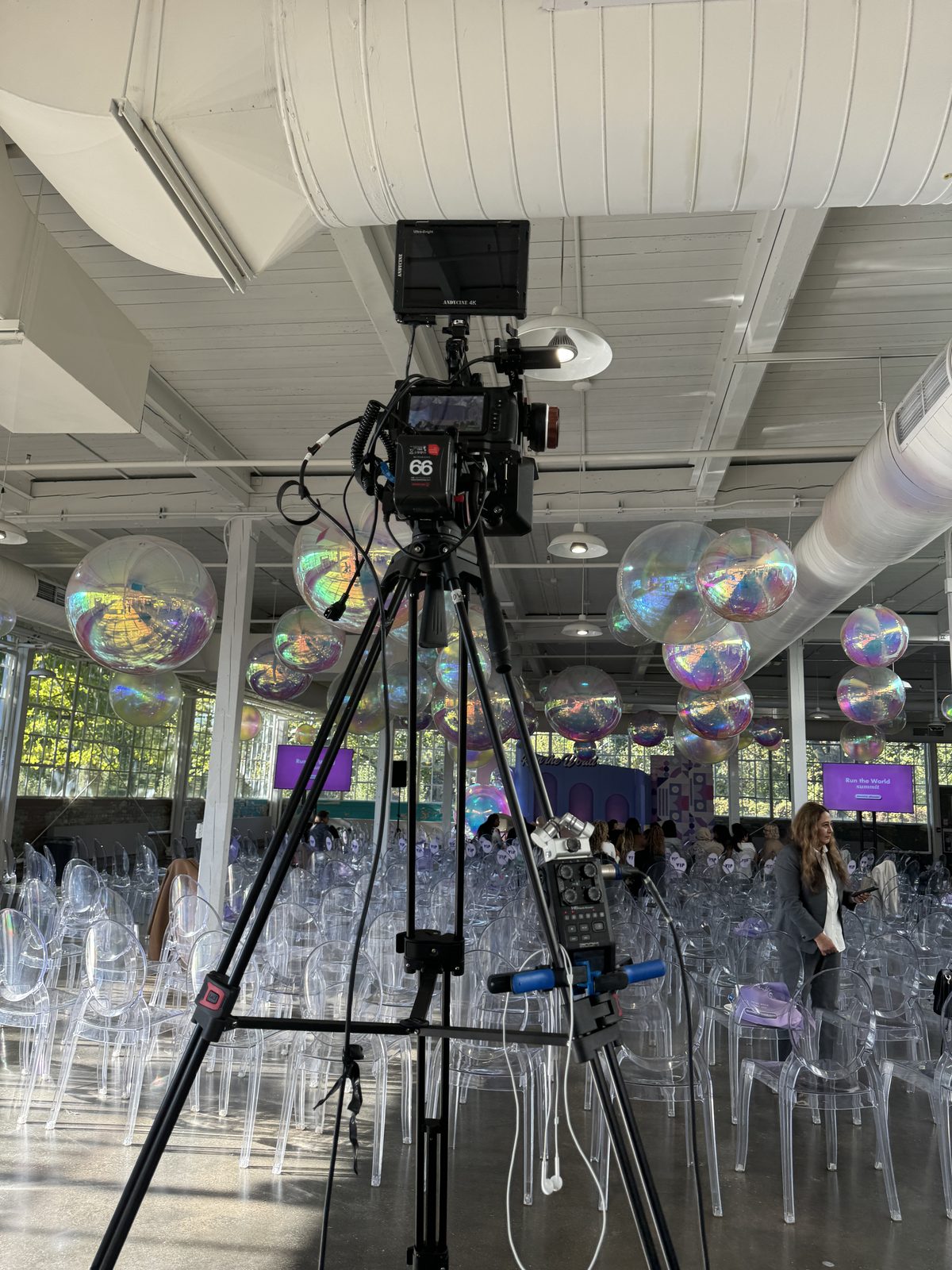
A hotel videographer plans, films and edits the videos a hotel uses to sell stays, events and dining: a property film for the website, short room and amenity clips for booking pages and social, and venue films for the sales team. The good ones are planned around the guest’s stay and around the hotel’s occupancy, so the crew films the property as it should look without getting in a guest’s way.
Nowa is a Toronto video production company, and hotel and hospitality projects are welcome with us. This guide covers which films a hotel actually uses, how to plan a shoot in a working property, what to agree on people and privacy, and what moves the cost.
Which videos does a hotel need?
Start from where each film will be seen. A website hero, a booking page and a sales email to an event planner ask for different lengths, formats and messages, and the shot list follows from them.
| Format | Where it runs | What to film |
|---|---|---|
| Property film | Homepage, brand channels, presentations | A stay in order: arrival, lobby, room, dining, area |
| Room and suite clips | Booking pages and online travel listings | Each room type: the view, bed, bath and what sets it apart |
| Amenity clips | Social, email, the website | The pool, spa, gym, rooftop or bar at the hour its light suits it |
| Venue and meetings film | Sales proposals, event and wedding enquiries | Function rooms empty and set, catering, a guest’s route |
| Restaurant and bar film | The outlet’s own pages and social | The kitchen at work, plated dishes, the room filling up |
| Vertical cutdowns | Instagram, TikTok, paid social | Shots framed for the phone on the same day, not cropped later |
Few hotels need all of these at once. Pick the two or three that answer your next sales goal, such as more direct bookings or more meeting enquiries, and plan the rest as later pick-ups.
Film the stay in the order a guest lives it
A property film works when it feels like arriving. Build the shot list in the order of a stay: the street and the entrance, check-in, the corridor and the door, the room as the curtains open, the bathroom, dinner, the bar, the morning. Then add the details only this property has: a staircase, a view, a piece of art, a dish the kitchen is known for. A film of generic luxury shots could be any hotel; the details are what a guest remembers and books.
People make the spaces read as lived in. Staff at work and a few guests or cast members using the rooms show scale and service better than an empty lobby. Keep them natural and unposed, and plan who appears before the day (see below).
Planning a shoot around guests and occupancy
A hotel never closes, so the schedule is built around it. Agree these with the general manager or the marketing lead before the shoot is booked:
- Rooms. Which room types are held empty for the day, and for how long each one is needed, including time to style and reset.
- Public spaces. The quiet hours for the lobby, pool, gym and restaurant, and which areas may be partly closed for a scene.
- A contact on site. One person from the hotel who can open rooms, switch lighting and music, and speak to guests on the crew’s behalf.
- Housekeeping and food. Rooms made up to the hotel’s standard just before filming, and plated dishes timed with the kitchen so they arrive fresh.
- Equipment. Where the crew parks, loads in and stores equipment, and which service routes it may use.
One well-planned day usually covers more than a hotel expects. Our content day guide shows how a single shoot supplies the website, social and sales material together.
Lighting rooms, windows and views
Hotel rooms are designed around their windows, and the view is often what the room sells. The hard part is the balance: a bright window and a darker room rarely fit in one exposure, so the crew adds soft light inside the room or films the view at the hour it matches the interior. Pools, bars and rooftops change completely between noon and dusk, so each one gets its own hour on the schedule.
Marble bathrooms, glass showers and mirrors reflect the crew and the lights. Our guide to filming high-end interiors covers polished surfaces, and lighting a room you cannot control covers function rooms where the ceiling lights stay on. If the property film needs an aerial view, our solar guide sets out Transport Canada’s drone rules, and the hotel’s neighbours and guests still come first.
People, privacy and releases
Guests did not book a stay to appear in an advert. Keep them out of frame unless they have agreed and signed a release, and plan scenes with staff, cast or invited guests instead. Collect a release from every staff member who appears too.
- Agree what must never be on camera: room numbers, guest names on screens or luggage tags, back-of-house areas, security systems and staff-only doors.
- Check artwork, music in public spaces and branded products in frame, because each can carry its own rights.
- Ask any brand partners, such as a restaurant operator or a spa brand, to approve how their space and logo appear.
Meetings, events and weddings: filming the venue
Event planners book from proof that a room works. A venue film shows each space empty, then set for a format, then in use, with the route from the entrance and the details planners ask about: ceiling height, natural light, the stage position and the break-out rooms. If the hotel hosts a conference or a gala, the event itself is a chance to film the rooms full, as our note on hiring an event videographer explains.
What hotel video production costs
Our rates are published in Canadian dollars on the rates page. A hotel film is priced as video production, usually $3,500 to $25,000. Covering an event the hotel hosts starts at $2,400, and a monthly run of vertical social content starts at $1,800. The figure moves with how many films and versions you need, how many shoot days and hours, how many room types, outlets and venues appear, and whether there is cast, aerial work or travel. Every cut and version, and the revision rounds, sit inside the quote, which is written to the scope you send.
How Nowa works with hotels
Noah, our founder and director, leads each project with a small in-house crew, adding extra crew when a hotel shoot calls for more hands. We take care of the whole of pre-production, including storyboards, casting, locations and permits, and we lay out each set in 3D software first, so your team can see which rooms and which hours every scene will use long before the crew walks in. Our productions carry insurance, and we travel when the property is outside the GTA.
Write to us and Noah answers within 12 hours, or book a 20-minute call on Google Meet to talk through the property.
Quick answers
What does a hotel videographer film?
A hotel videographer films the videos a hotel uses to sell stays, events and dining: a property film for the website, short clips of each room type for booking pages, amenity clips for social, and venue films for the sales team. The shot list follows a guest’s stay, from arrival to the morning, plus the details only that property has.
How do you film a hotel without disturbing guests?
Plan around occupancy. Hold the room types you need empty for the day, film public spaces in their quiet hours, name one hotel contact who can open rooms and speak to guests, and agree load-in routes with the team. Guests stay out of frame unless they have signed a release; use staff, cast or invited guests.
How much does a hotel video cost in Toronto?
Nowa lists hotel films under video production, usually $3,500 to $25,000 CAD, and quotes every project to its scope. Event coverage is $2,400 and vertical social content $1,800 per month. The number of films and versions, shoot days, room types and outlets, cast, aerial work and travel move the price.
 Google Meet