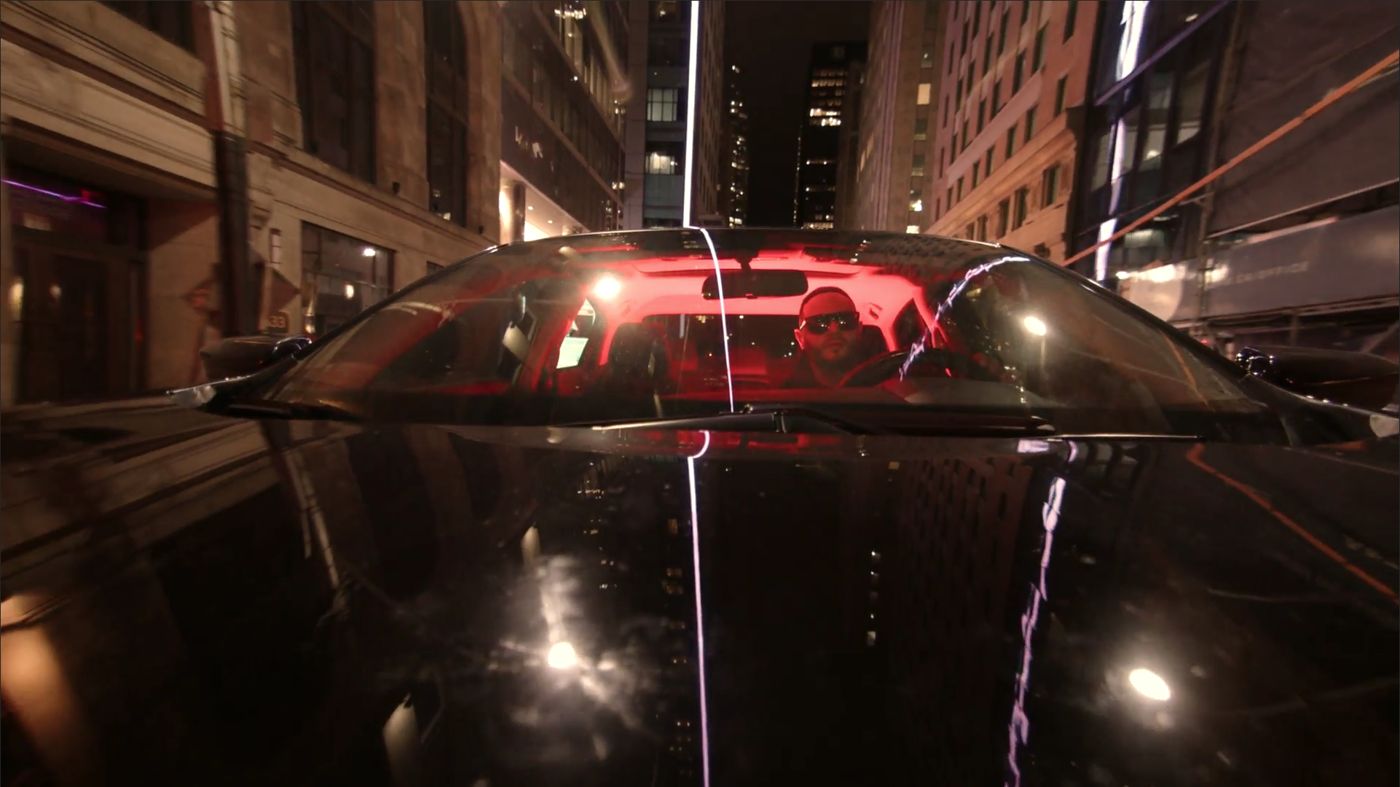
A TV commercial is made in four stages: the brief and the idea, pre-production (storyboard, casting, locations, permits), the shoot, and post-production, which ends with the versions each channel needs. In Toronto, a shoot on City property needs a film permit, and a spot for Canadian television has to meet a federal loudness standard before it airs.
Nowa makes commercials for TV, pre-roll and paid placements as part of its video production service. This guide walks through each stage, the Toronto rules that shape a location shoot, and the checks a broadcast spot passes on its way to air.
The four stages of a commercial
| Stage | What happens | What you sign off |
|---|---|---|
| Brief and idea | The goal, the audience, where the spot runs | The idea and the script |
| Pre-production | Storyboard, casting, locations, permits | The storyboard and the cast |
| Shoot | The crew films every planned frame | The day’s schedule |
| Post-production | Edit, colour, sound mix, versions | Each edit round and the masters |
Most of the work sits before the camera rolls. A spot is short, so every frame is planned: a storyboard shows each shot in order, and the cast, locations and props are chosen to match it. When the storyboard is signed off, the shoot day becomes a matter of capturing what everyone already agreed.
Start from where the spot will run
A TV spot, a YouTube pre-roll ad and a paid social ad ask for different lengths, frames and openings. List every placement in the brief, with its length and its format, before the script is written:
- Television. The broadcaster’s lengths and delivery specifications, and a mix that meets the loudness standard (below).
- Pre-roll. A message that lands before the viewer can skip, and a version that works without the full spot.
- Paid social. Vertical and square versions framed on the shoot day, with captions for viewing without sound.
One shoot can cover all of them when the shot list is planned for every frame at once. Our guide to planning cutdowns before the shoot shows how, and our note on how a brand film differs from a commercial helps if you are still choosing between the two.
Filming on a Toronto street or in a park
The City of Toronto’s Guidelines for Filming in Toronto (date modified 26 June 2026) say film permits are required under Toronto Municipal Code Chapter 459, Filming, and that the City issues them for commercial purposes only. Requests go through the City’s FilmPal portal, and the guidelines set two more conditions that shape the schedule:
- Notice. The production gives written notice of filming to affected residents, occupants and business owners at least 48 hours before its earliest arrival.
- Insurance. Comprehensive general liability insurance at the amount the guidelines set, with the City of Toronto added as an additional insured.
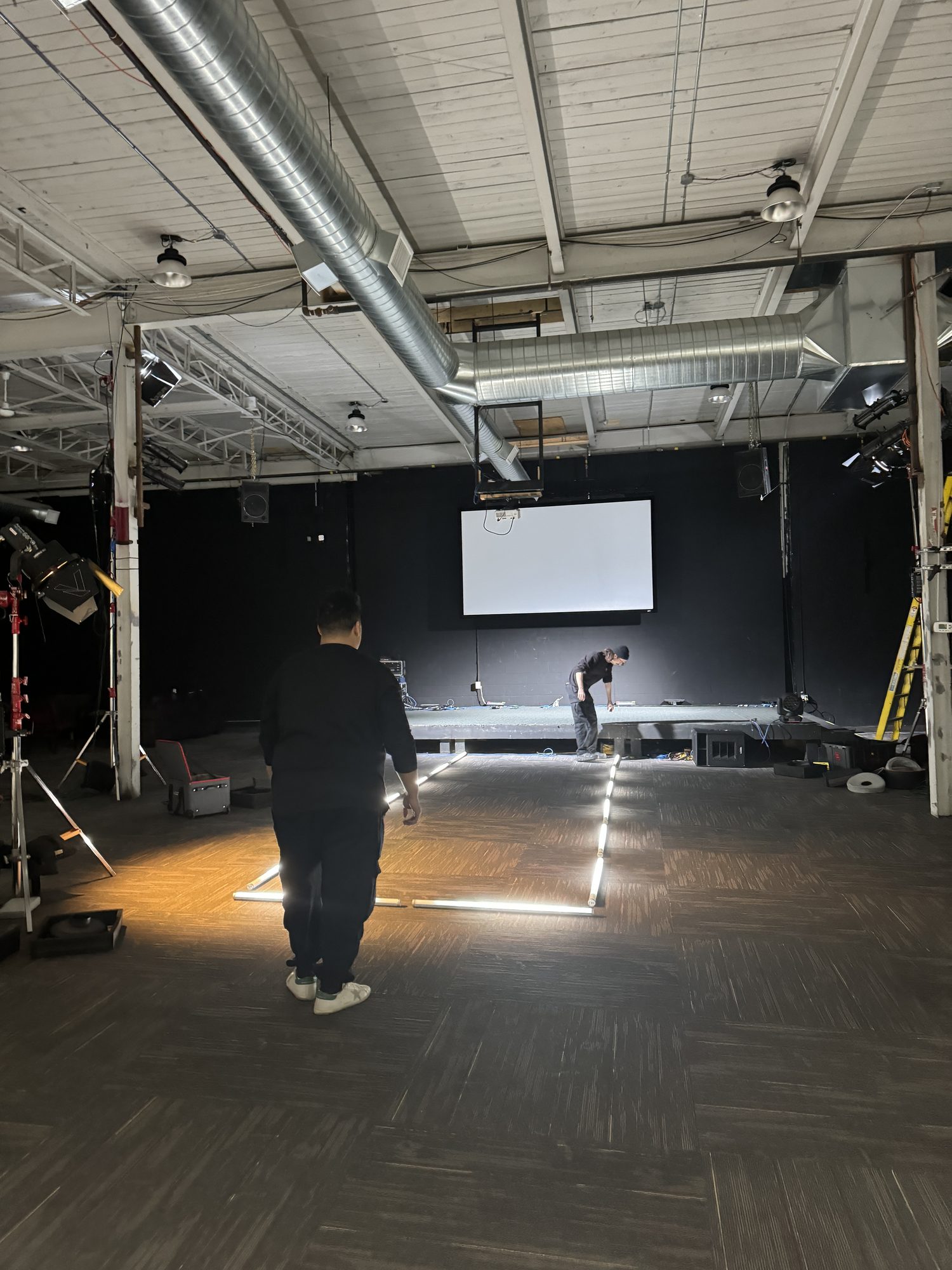
Private locations, such as an office, a store or a home, are arranged with the owner instead. Either way, locations are booked during pre-production, so the storyboard is drawn for places you can actually film.
Checks before a spot airs
Two checks are worth knowing before the edit is locked. Both are set by outside bodies, so confirm the current requirements with the broadcaster that will air the spot:
- Loudness. Federal amendments published in the Canada Gazette, Part II, on 11 April 2012 (SOR/2012-57) require Canadian television licensees to ensure that every commercial message they broadcast complies with the technical requirements of ATSC Recommended Practice A/85, from 1 September 2012. The sound mix of a TV spot is made to that standard.
- Preclearance. Ad Standards describes its preclearance as “a fee-based, objective and independent advertising copy review and advisory service”, with divisions for alcoholic beverages, children’s advertising, cosmetics, food and non-alcoholic beverages, food and beverage advertising to children, and health products (adstandards.ca, read 9 November 2026). If your product is in one of those categories, ask early whether the script needs review before the shoot.
What a commercial costs
Our rates are published in Canadian dollars on the rates page. Commercials for TV, pre-roll and paid placements are usually $4,000 to $50,000. The figure moves with the number of shoot days, locations and permits, cast, studio time and the number of versions you need. Our quotes already include the revision rounds and all the cuts and versions.
How Nowa makes commercials
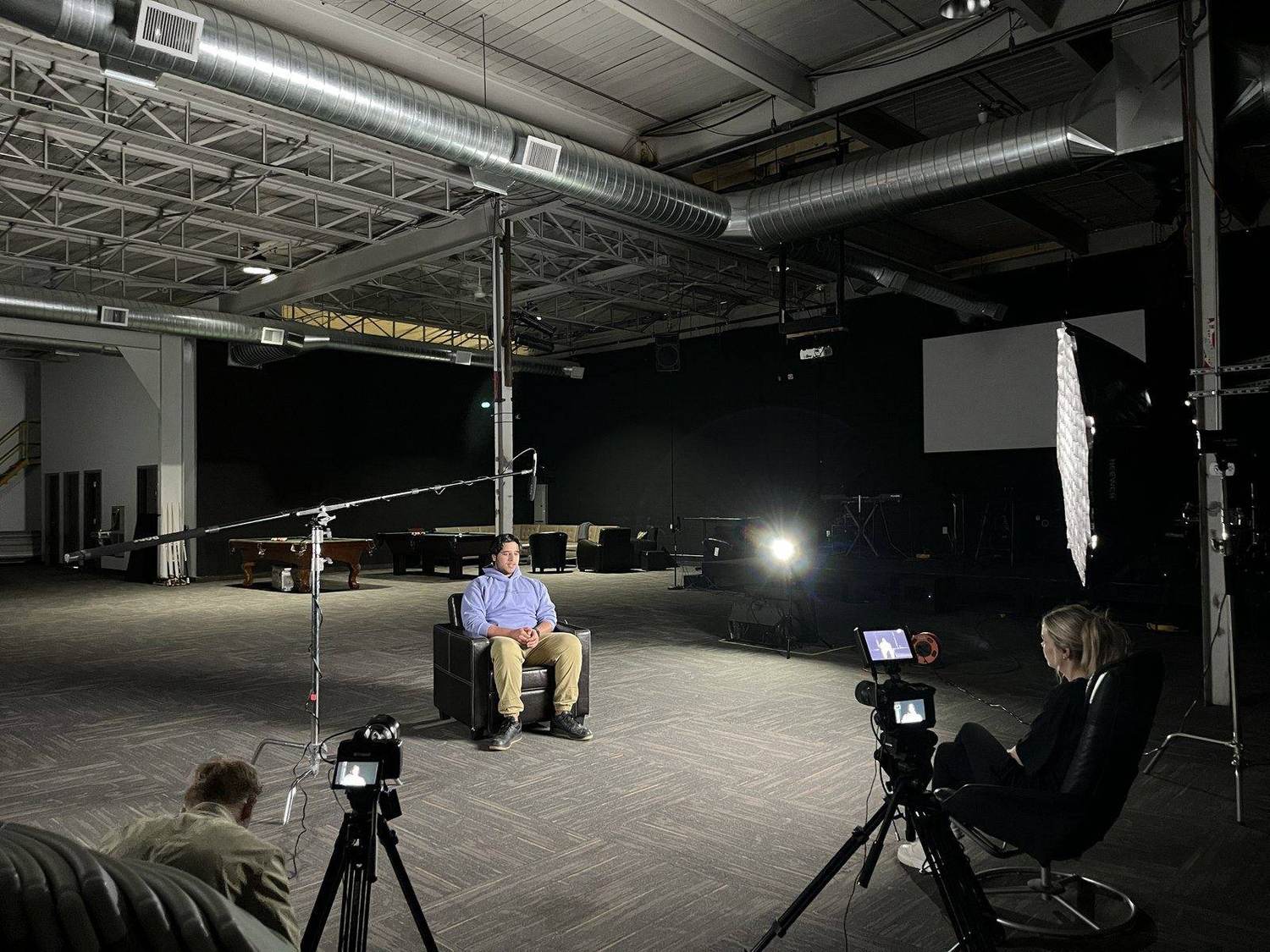
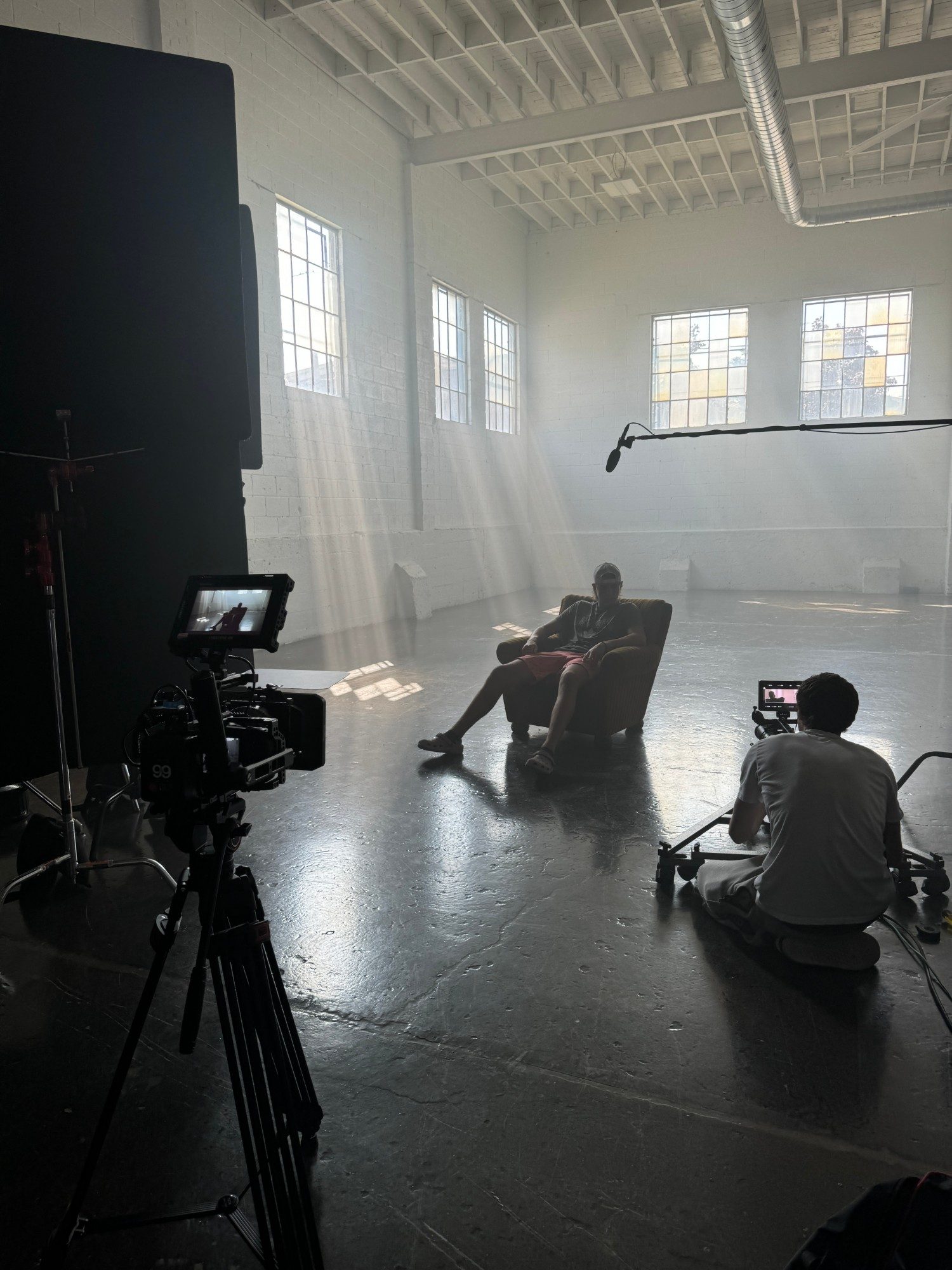
Commercials are directed by Noah, who founded the studio, with our in-house crew; for bigger shoots we bring in more people. Planning, storyboards, casting, locations and permits are all on our side, and every set is planned in 3D software ahead of time, with detailed storyboards and renders, so the frames are agreed before the shoot day. Productions are insured, and agencies can hire us as the director for a spot.
Messages get a reply from Noah within 12 hours. To talk a spot through first, book a 20-minute Google Meet call.
Quick answers
How is a TV commercial made?
In four stages: the brief and the idea, pre-production (storyboard, casting, locations and permits), the shoot, and post-production, where the spot is edited, coloured, mixed and cut into the versions each channel needs. Most of the work happens before the shoot, so every frame is agreed on the storyboard first.
Do you need a permit to film a commercial in Toronto?
On City of Toronto property, yes. The City’s Guidelines for Filming in Toronto say permits are required under Municipal Code Chapter 459 and are issued for commercial purposes only. The production also gives affected residents written notice at least 48 hours ahead and carries general liability insurance naming the City.
How much does a TV commercial cost in Toronto?
At Nowa, commercials for TV, pre-roll and paid placements are usually $4,000 to $50,000 CAD, quoted to the spot’s scope. Shoot days, locations and permits, cast, studio time and the number of versions move the price, and the quote includes the revision rounds and all the cuts and versions.
 Google Meet