
Video cutdowns are shorter or differently structured versions of a campaign film, made for specific placements and audiences. Plan them before the shoot so each version has the opening, evidence, framing and ending it needs. The aim is a coherent campaign with useful variations, not the largest possible export folder.
Give each version a reason to exist
A longer brand film may have room to establish a world, reveal a problem and resolve it. A short ad might need to begin with the product or the strongest moment. A social clip may answer one question without any of the surrounding campaign. These can share an idea while needing different material.
For a hypothetical product launch, the main film could introduce the concept, a short ad could demonstrate the product in use, and a founder clip could explain the decision behind it. Those are different jobs. Exporting the same sequence at several lengths does not automatically perform them.
Write a deliverable line for every edit
Use a list that a producer, editor and marketing manager can all read. For each version, specify the audience, its job, the message, the placement, the length or length limit, the aspect ratio and the action you want next. Add the approval owner and any usage restrictions.
- Main film: the complete campaign idea and its principal destination.
- Short ad: one persuasive point with an opening designed to stand alone.
- Alternate opening: a defined creative variation, with the rest held consistent where useful.
- Social excerpt: an answer or moment that makes sense without the full film.
- Resize: a layout and framing adaptation whose story remains substantially the same.
Keep the list tied to the actual media plan. If your marketing team has not selected placements yet, identify what is provisional. The plan can accommodate choices; it should not pretend every version is already known.
Build the short version on the board
For each short edit, identify the first image, the line or action carrying the point, the proof and the ending. If any of those is missing, solve it before filming. A clever long-film reveal can make an excellent short opening when shot with both uses in mind.
This is where the creative stays fun. A reaction, visual gag, surprising product detail or playful performance can connect the campaign across formats. Choose the element that belongs to the brand, then give it enough room in each version to work. Making everything shorter is not a creative direction.
Turn the deliverable list into the shot list
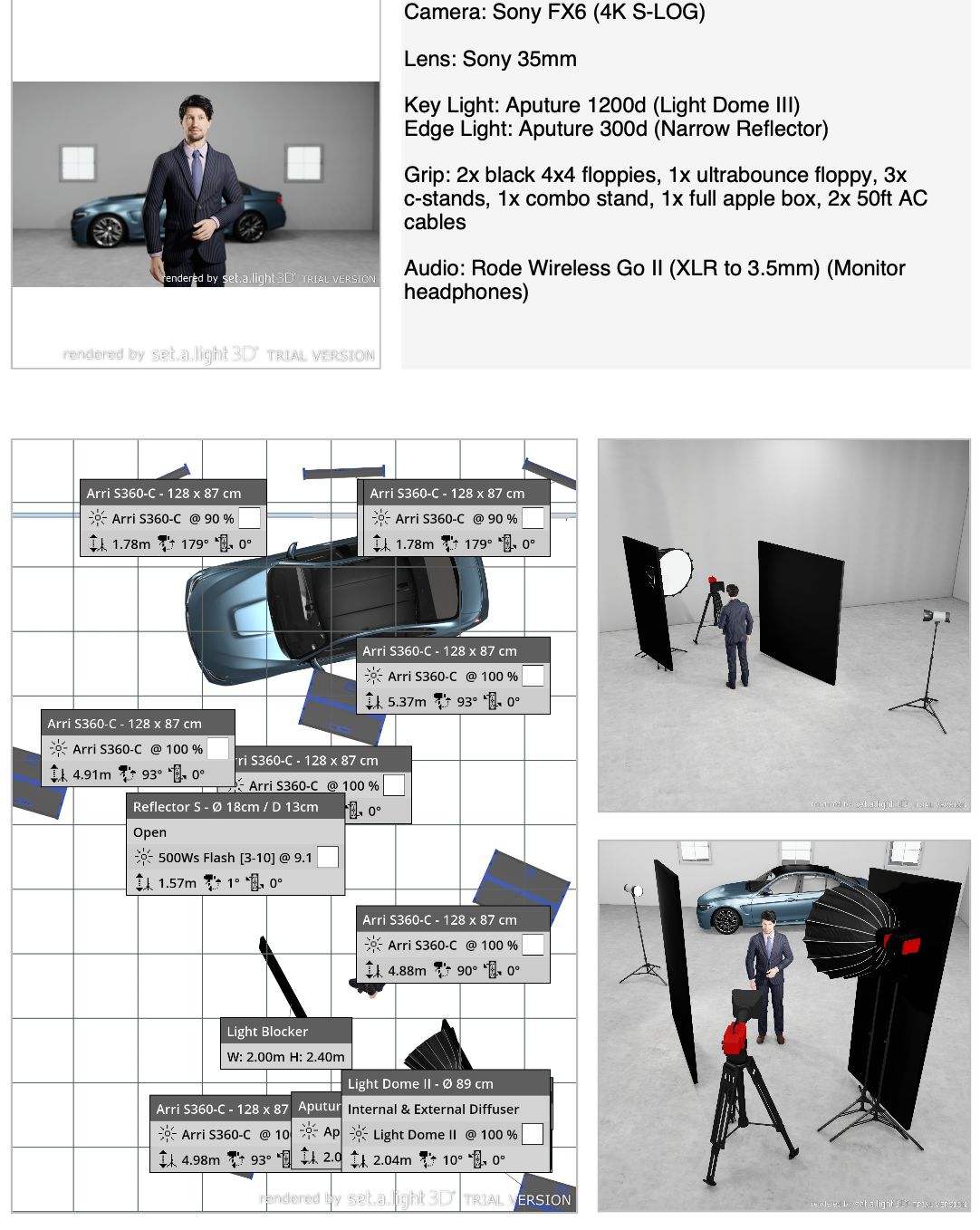
Mark the setups that support several versions and the ones that exist for a particular edit. Capture alternate first lines or product actions deliberately. For interview-led work, ask for a complete answer that can stand on its own, rather than relying on a question the audience will never hear.
Frame for the required screens on set. A wide master and a vertical ad may share a setup but need separate compositions. Our vertical versus widescreen guide covers when a crop is sensible and when to shoot another pass.
Price creative variations honestly
A new hook, rewritten ending or different audience proposition can require new edit decisions, graphics, sound and reviews. A resize may be lighter, but it still needs a framing and legibility check. Ask the scope to distinguish these jobs rather than calling all of them “cutdowns”.
Planning early makes shared production possible; it does not make every extra film free. If the list grows, prioritise the versions that the campaign will actually use. A small set of purposeful edits is easier to launch, review and learn from than many minor variations with no clear question behind them.
Keep approval and delivery organised
Approve the central campaign idea before working through the variations. Then review each edit in its intended context, including captions, graphics, first frame and call to action. A correct main film does not guarantee that its short version still makes the claim clearly.
Give each export a name identifying the concept, version, format and language. Keep a matching delivery list so the person placing the ads knows which file belongs where. Our content day planning guide applies the same thinking to a broader content library.
Quick answers
What is a video cutdown?
A cutdown is a shorter or differently structured version of a campaign film made for a specific use. It still needs a complete idea, a clear opening and a useful ending. It may use the main film footage, additional planned shots or both.
What is the difference between a cutdown and a resize?
A cutdown changes the length or story structure. A resize adapts framing and layout for a different aspect ratio. Both need review, but a new opening, message or ending can involve substantially more creative work than a format adaptation.
When should campaign cutdowns be planned?
Before filming, alongside the media plan and main creative idea. List the audience, message, destination, length, aspect ratio and action for each edit so the shoot can capture the right openings, evidence and endings.
 Google Meet