A brand content day groups compatible filming into a planned shoot so a team can create useful material for several channels. Start with the campaign ideas and deliverables, then share the setups that genuinely fit. There is no universal number of finished assets a day should produce; the right output depends on creative ambition, people, locations and edit scope.
Start with the gaps in your content
Look at the next campaign or communications period. What does the audience still need to understand? A founder answering a difficult question, a product being used clearly or an unexpected demonstration may be more valuable than another general montage. Choose the messages first and the format second.
For a marketing team, separate planned placements from possible future uses. For a founder, identify what only you can say on camera and what the product or team can show. A content day works best when each person and setup has a clear contribution.
Plan in creative blocks
Our planning approach groups the day into hero material, variations and supporting coverage. The hero material is the work that needs the most attention: the central performance, interview or product scene. Variations explore selected openings, answers or actions. Supporting coverage supplies the details that make the edits understandable.
The order can change for speaker availability, light or location access. The point is to protect the difficult creative work before filling the day with smaller requests. If the main idea needs a careful performance or a product reset, the schedule needs to allow it.
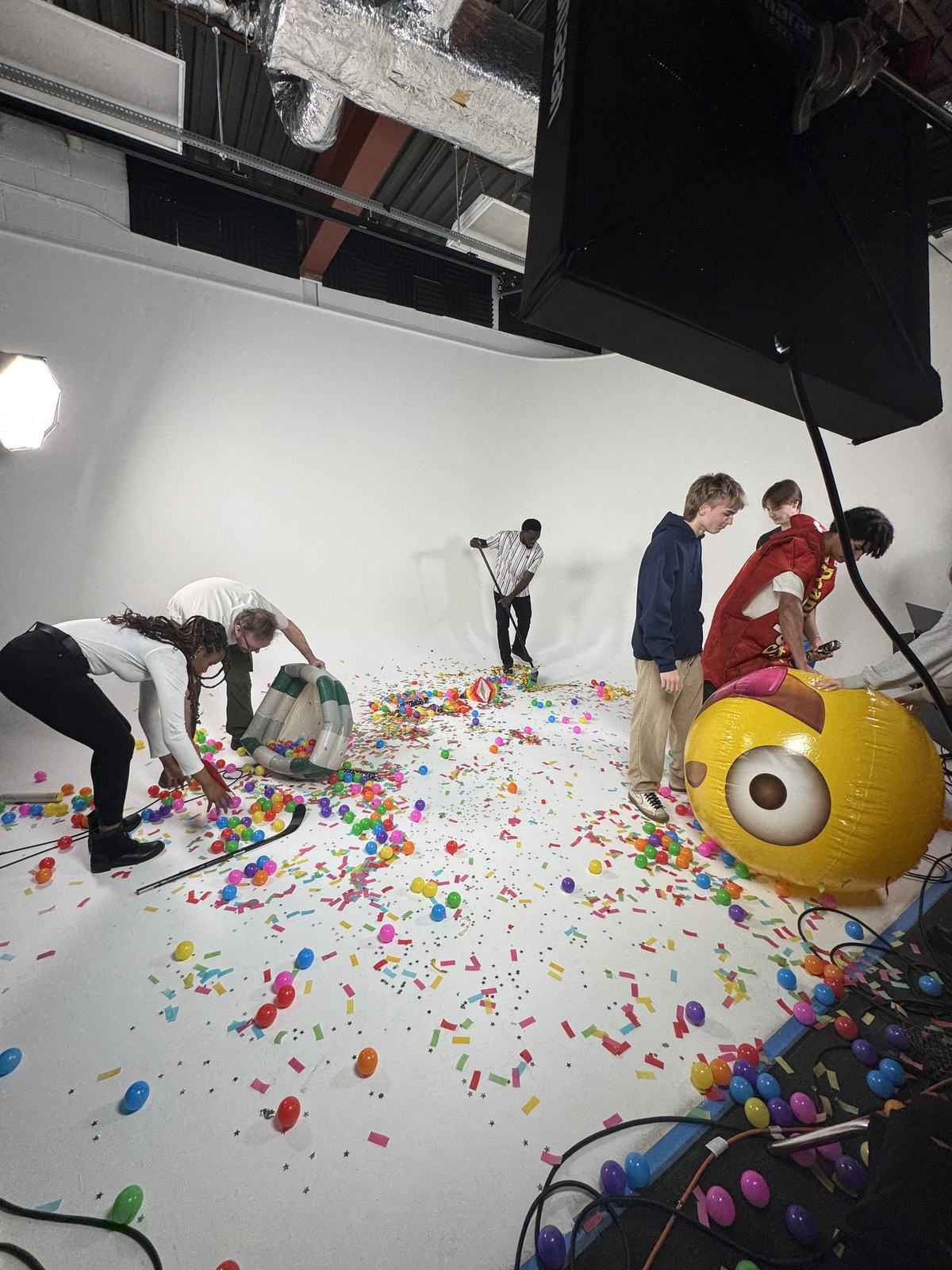
Share a setup where the idea allows it
A lit interview position can support several related answers. A product setup can produce a demonstration and details. Those are useful efficiencies. Keeping the same lighting for two concepts that need different moods may save a reset and weaken both films.
Write the tradeoff down. If the campaign depends on contrast, movement or a surprising reveal, preserve that. A boutique production should bring judgement about what deserves attention, rather than treating the camera as a machine for filling slots.
Use a shot-to-deliverable map
Give each planned setup a row and each finished deliverable a column. Mark which footage each edit needs, including its opening, main message and ending. Add the aspect ratio and whether the setup needs a separate vertical pass. Blank cells are fine; a missing opening for an important ad is not.
- Essential: footage without which an approved concept cannot work.
- Useful: material that strengthens or connects the planned edits.
- Optional: additional coverage to capture only if the essential work is secure.
This priority order gives the producer a sensible decision when something takes longer than expected. It also lets the client choose between additional concepts and a more polished execution before the day begins. See planning campaign cutdowns for the edit-level version of this map.
Prepare the people and products
Send interview prompts in plain language and identify which answers need factual approval. Prepare products in the condition they should appear, along with duplicates or reset materials if the action requires them. Check wardrobe, props, packaging and visible screens against the creative before filming.
Confirm the space, sound conditions, access and who can make an on-set decision. If photography or behind-the-scenes material is wanted too, name it as a deliverable and assign time and responsibility. Do not assume it appears automatically because a camera is already there.
Plan the edit as carefully as the shoot
A folder of footage is not the same thing as a library of finished content. The scope needs to say which edits, graphics, captions, alternate openings and formats will be delivered, and how they will be reviewed. An asset count can hide the difference between a genuinely new creative idea and another export of the same one.
Ask the marketing owner which variation they want to learn from. Perhaps the question is whether a product demonstration or founder explanation makes the offer clearer. Give those versions meaningful names and a place in the campaign. Avoid producing variants whose only distinction is that the file number changes.
Quick answers
How many assets can one content day produce?
There is no useful universal count. Output depends on concepts, performance, products, locations, framing and the agreed edit scope. Prioritise the finished content your campaign will use rather than promising a fixed volume before the production is planned.
What should a brand content day include?
A content day plan should name the messages, people, products, setups, essential footage, channel formats and finished edits. Include preparation, sound and location access, review responsibilities and delivery requirements alongside the filming schedule.
How do you get more useful content from one shoot?
Group compatible setups, map footage to deliverables and capture purposeful variations while the scene is ready. Protect the main creative idea first, and plan post-production so the material becomes approved, usable content.
 Google Meet