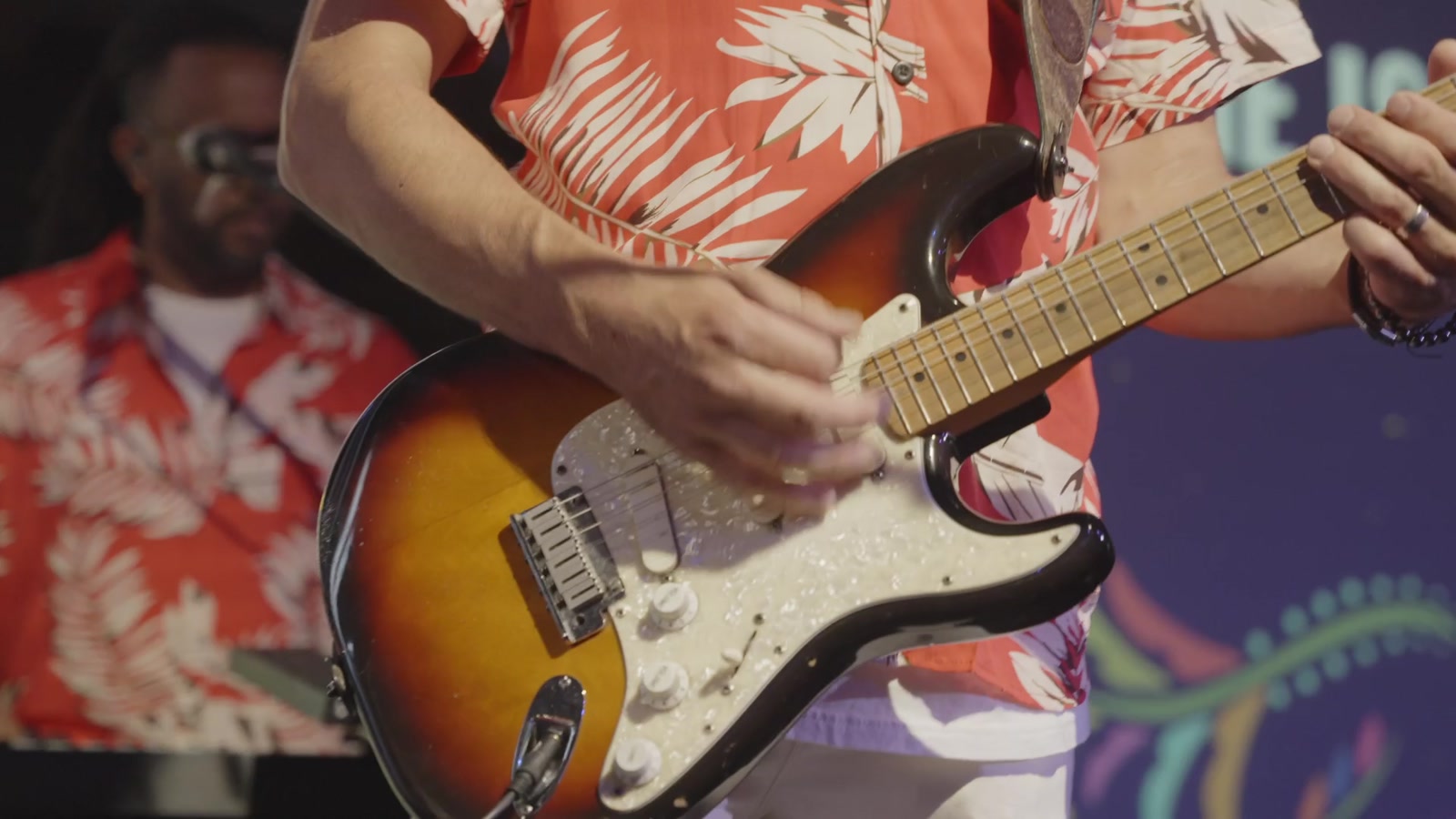
Choose vertical or widescreen video from the main viewing placement and the creative idea. Vertical often suits content designed for a phone feed; widescreen can suit scenes where people, products or space need a broader composition. When both are important, plan how each shot will work in both frames before filming instead of assuming a crop will preserve the idea.
Decide where the film does its main job
A video made primarily for a social feed should be designed for that viewing experience, with a clear subject and legible information. A film for a presentation, a showroom screen or a wide website player may need a different composition. Ask for the actual delivery requirements rather than guessing from the channel name.
A website can also use vertical video; a social campaign can use more than one aspect ratio. The decision is not a rule about where content is allowed. It is a judgement about how the viewer will encounter this specific idea.
What makes a crop work?
A centred speaker or isolated product can sometimes be reframed effectively. Check the whole shot, including movement and gestures. A face surviving the crop does not mean the demonstration in the person’s hands has survived with it.
A conversation across the frame, a wide reveal or movement between objects may need a separate composition. The same applies when the edges of the image deliver the joke or explain the relationship. Keep what makes the shot meaningful, not only what makes it recognisable.
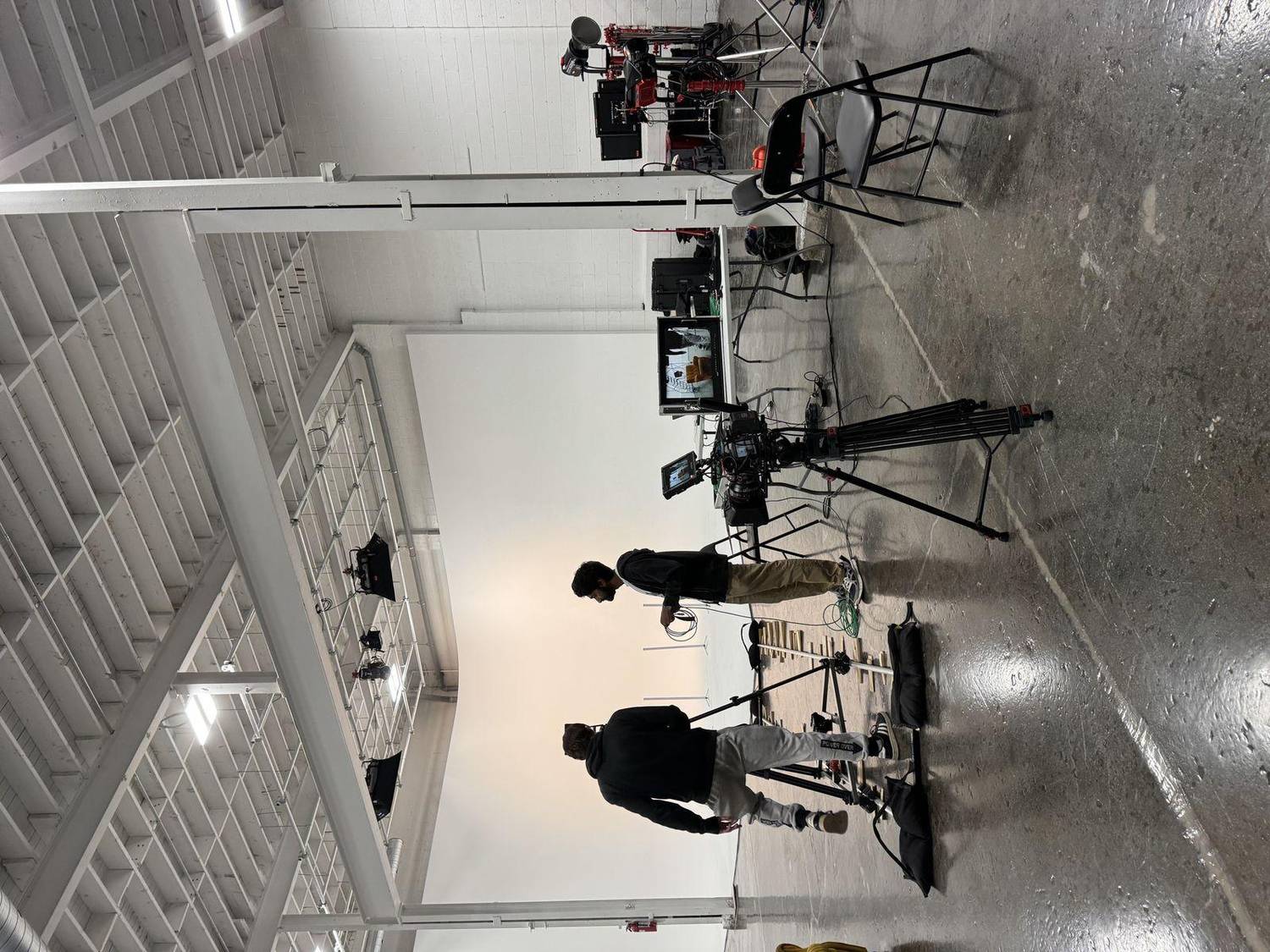
Choose a capture approach for each setup
There are three useful planning options. Compose for the primary format and adapt the secondary version where it works. Compose a shared shot with both frames in mind. Or shoot separate passes when the idea deserves distinct compositions. The right choice can vary within one campaign.
Shared framing can save time, but it may limit where people or graphics sit. Separate passes give more freedom and need time for resets, performance and matching. Discuss these tradeoffs while creating the campaign deliverable plan, not when the editor opens the footage.
Leave room for the things added later
Captions, logos, product labels and a call to action are part of the composition. Give the editor a plan for where they can sit without covering the point of the shot. Check the actual placement requirements when preparing delivery, since an app interface can occupy space around the video.
Do not assume that simply shrinking the widescreen graphics creates a readable vertical version. A different frame may need a different text layout, fewer words or another shot behind them. Review the visual hierarchy: what should the person see first, and what supports it?
Keep the idea consistent, not every frame identical
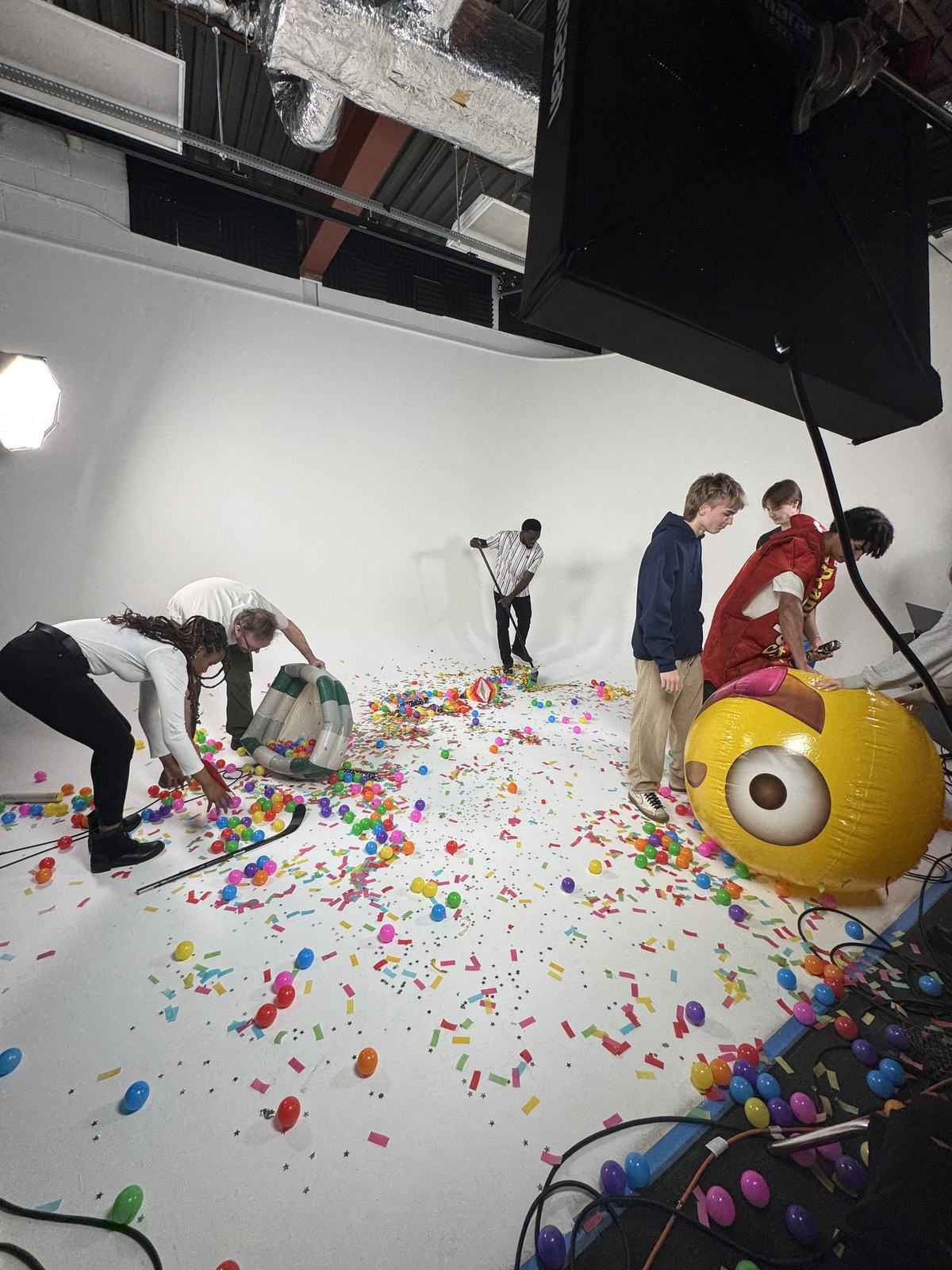
The vertical edit can reach the idea more quickly, use a tighter detail or open on a different moment while still belonging to the campaign. A playful product scene may be best served by a wide setup in the main film and a close reaction in the social version.
Those choices are creative work rather than technical repairs. They can make the campaign feel deliberately made for each setting. For a broader content session, the content day map helps track which setups support which versions.
Review the actual delivery files
Watch every version on the screen it is intended for where practical. Check text size, cropping through movement, captions, end cards and whether the central point still makes sense without the other edits. Confirm sound-dependent information has an appropriate visual or captioned treatment for its use.
Give the marketing or media team a labelled delivery list. Include aspect ratio, version and language so a correct file is not placed into the wrong slot. The format decision is only complete when the film reaches its intended context intact.
Quick answers
Should a brand video be vertical or widescreen?
Choose from the main placement and what the creative needs to show. Vertical can suit phone-first viewing; widescreen can suit wider action, relationships and space. If both matter, plan a capture approach for each shot rather than relying on a single automatic crop.
Can widescreen footage be cropped into a vertical video?
Sometimes. Check whether the subject, action, context and graphics remain clear throughout the shot. Centred simple compositions may adapt well; wide reveals, side-by-side action and important movement may need separate framing.
What should be checked in a vertical video version?
Check framing through movement, text and caption legibility, room for the destination interface, the opening and the call to action. Review the actual delivery file in its intended context instead of assuming the widescreen approval covers it.
 Google Meet