A website quote should explain the design, build, content, launch work and ongoing responsibilities being priced. Cost changes with the number of distinct page types, functionality, existing material and review needs. To compare proposals fairly, ask each team to price the same scope and identify what your organisation must provide.
Start with what the site must help a visitor do
A portfolio, a service business site and a campaign landing page solve different problems. List the decisions a visitor needs to make and the action you want them to take. A brand introducing several services needs clear explanation and evidence; a campaign page may have a narrower message and a specific launch date.
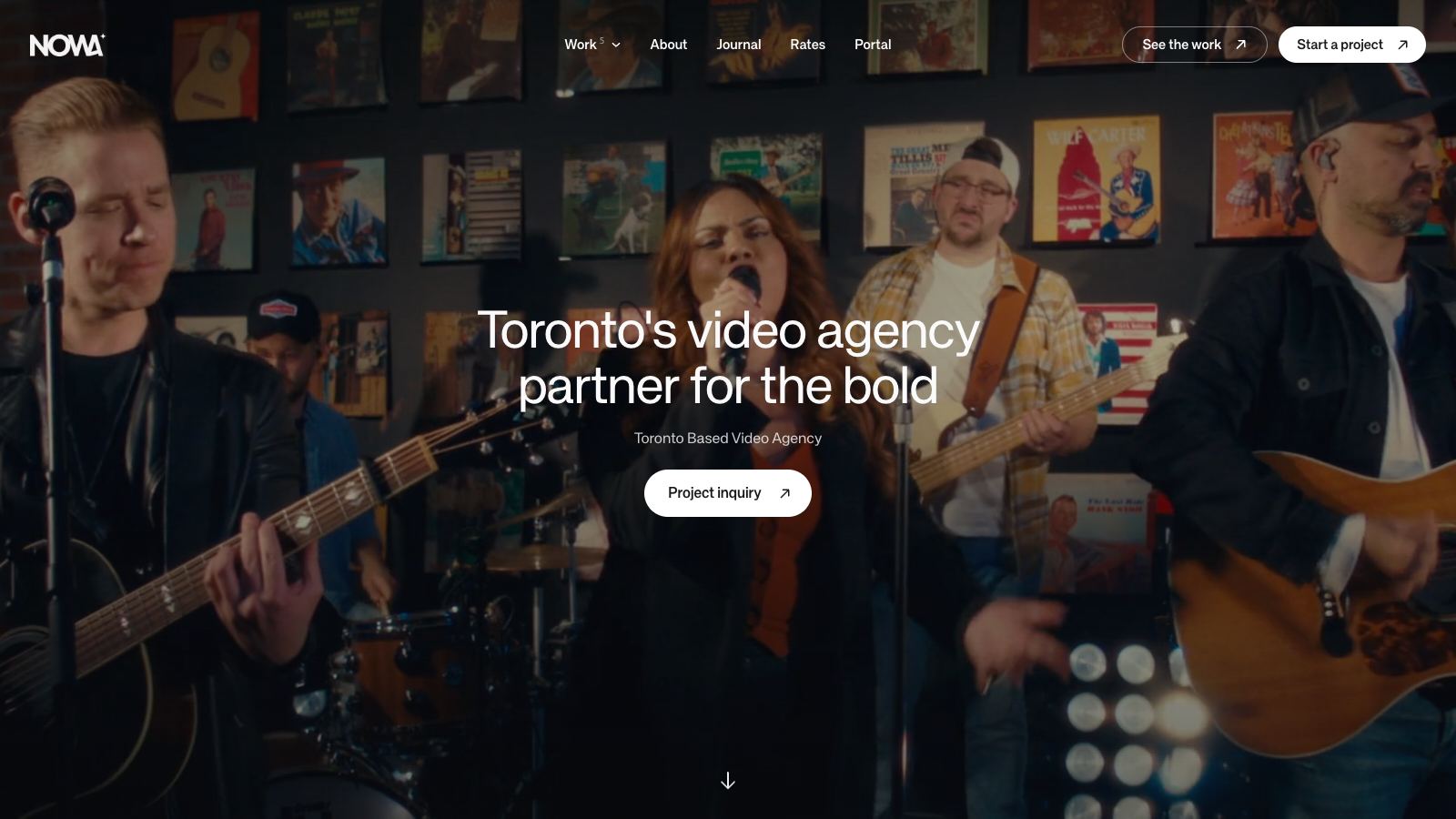
For a company commissioning video at the same time, plan the film and the website together and decide how the film will support the page. Does it introduce the brand, demonstrate a product or answer a buying question? The visual idea and the written explanation should agree before either is treated as finished.
Design is more than a number of pages
A proposal should describe the design work: page structure, visual direction, mobile layouts and the reusable elements that keep the site consistent. Count distinct page types as well as total pages. A service page and a journal article may share some components while solving different reading tasks.
A shared layout can make additional pages more efficient, but those pages still need useful content and checking. “Unlimited pages” does not tell you who writes, arranges or maintains them. Ask what is included in creating each actual page.
The build depends on behaviour as well as appearance
Forms, content editing, booking, integrations, search, accessibility and media handling can all affect the work. Specify which functions are essential and who needs to use them. If your team expects to publish without a developer, see what that editing workflow involves before choosing the system.
A film-heavy site also needs decisions about playback, poster images, mobile performance and supporting text. An attractive desktop demonstration is only part of the review. The real enquiry path needs to work on the devices the audience uses.

Content is its own scope
Name the person writing the copy, the person verifying factual claims and the owner of approvals. Clarify whether interviews, content research, image selection, captions and metadata are included. A sentence such as “content supplied by client” transfers a substantial task to your team.
Existing content may be reusable, but moving it is not always the same as improving it. Decide whether the project includes rewriting service descriptions and project context or only transferring approved material. Our guide to clarity in Google and ChatGPT explains why those details matter alongside the visual work.
Include the work of replacing the old site
For a rebuild, inventory the pages and journeys that already matter. The scope should cover existing URLs, necessary redirects, forms, analytics and verification after launch. A new design does not remove the need to preserve useful routes people already follow.
Confirm access to the domain, hosting and relevant business accounts early. Give migration and launch testing named responsibilities rather than letting them fall between the old and new teams. Ask who will check important pages and the contact flow once the public site changes.
Separate launch costs from ongoing work
Hosting, third-party tools, support, content changes and search work may have different billing arrangements. Ask which are recurring, who owns the accounts and what happens when the project relationship ends. If maintenance is included, define what it covers and how requests are handled.
Search visibility is an ongoing observation and improvement task, not an automatic outcome of launch. Agree what will be measured, what work will happen afterwards and how the team will decide whether a change is useful. Avoid paying for a vague promise whose deliverables cannot be inspected.
Questions to put beside each proposal
- Which page types, pages and functions are included?
- Who writes the words, supplies the media and verifies the facts?
- Which revisions, accessibility and device checks are included?
- What migration, URL and launch verification work is covered?
- Who owns the domain, accounts, content and finished source files?
- What can our team edit, and is training included?
- Which costs recur, and what support follows launch?
- Which assumptions or missing inputs could change the scope?
The useful output is a comparable list of responsibilities. If one proposal includes strategy, writing and launch support while another expects your team to supply them, the difference belongs in the decision as well as the total.
Quick answers
What should a website quote include?
A useful quote describes design, development, content, functionality, revisions, migration, launch checks and ongoing responsibilities. It should state what your team supplies, which assumptions affect the scope and which costs recur after launch.
Why can two website quotes be so different?
They may include different page types, features, content writing, review rounds or launch responsibilities. Compare the same scope and the work left to your team before comparing the total.
What should a website rebuild preserve?
Identify useful existing URLs, important content, enquiry journeys and measurement before the rebuild. Plan any necessary redirects, account access and launch verification so the replacement preserves the routes visitors already rely on.
 Google Meet