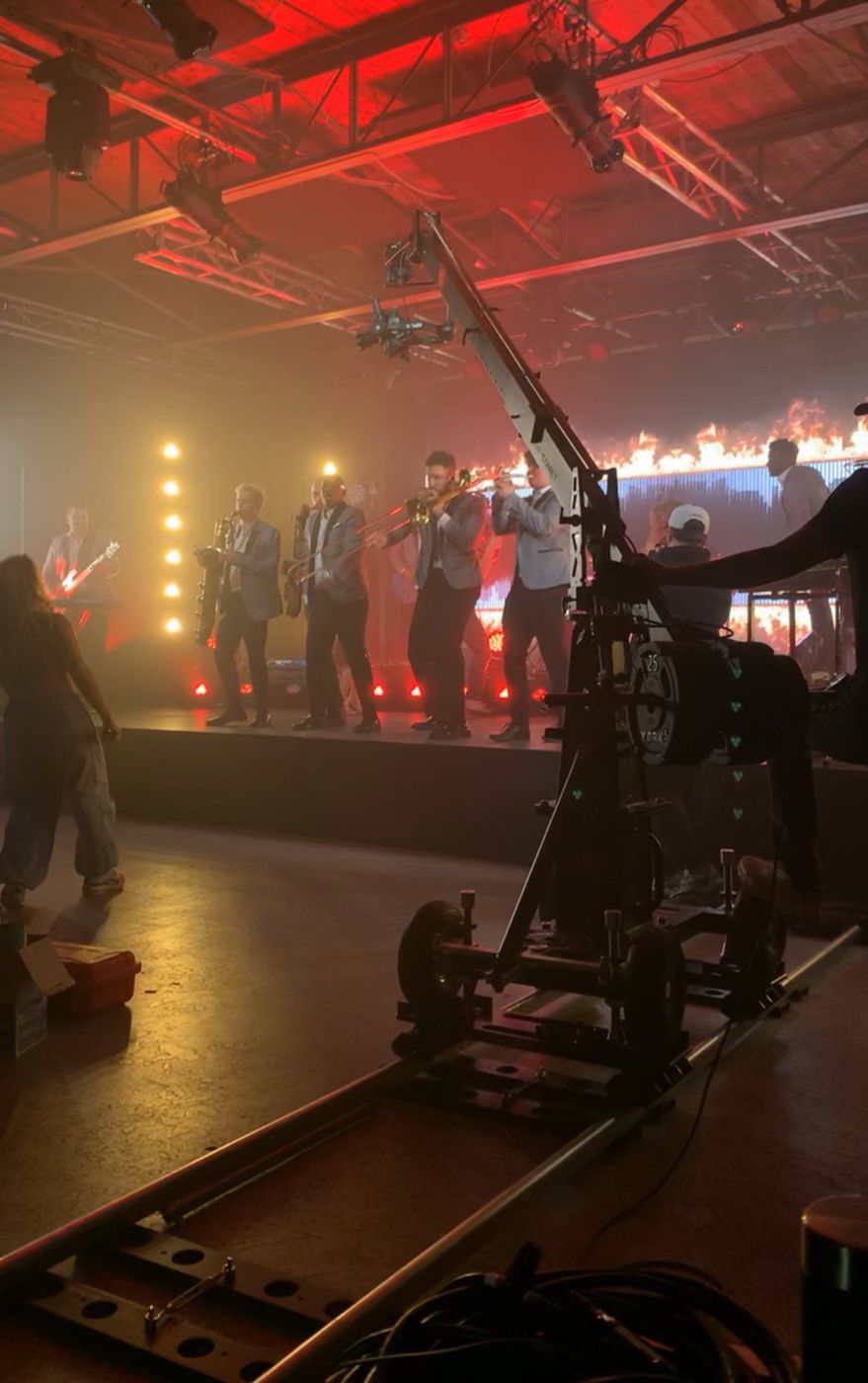
For a gala in one room, complementary stage and audience coverage can preserve both the formal programme and the reactions that give it meaning. Assign clear responsibilities so the important speech is covered while another camera finds the room’s response. Two cameras are one useful approach; the actual crew depends on the programme and deliverables.
Cover the cause and the reaction
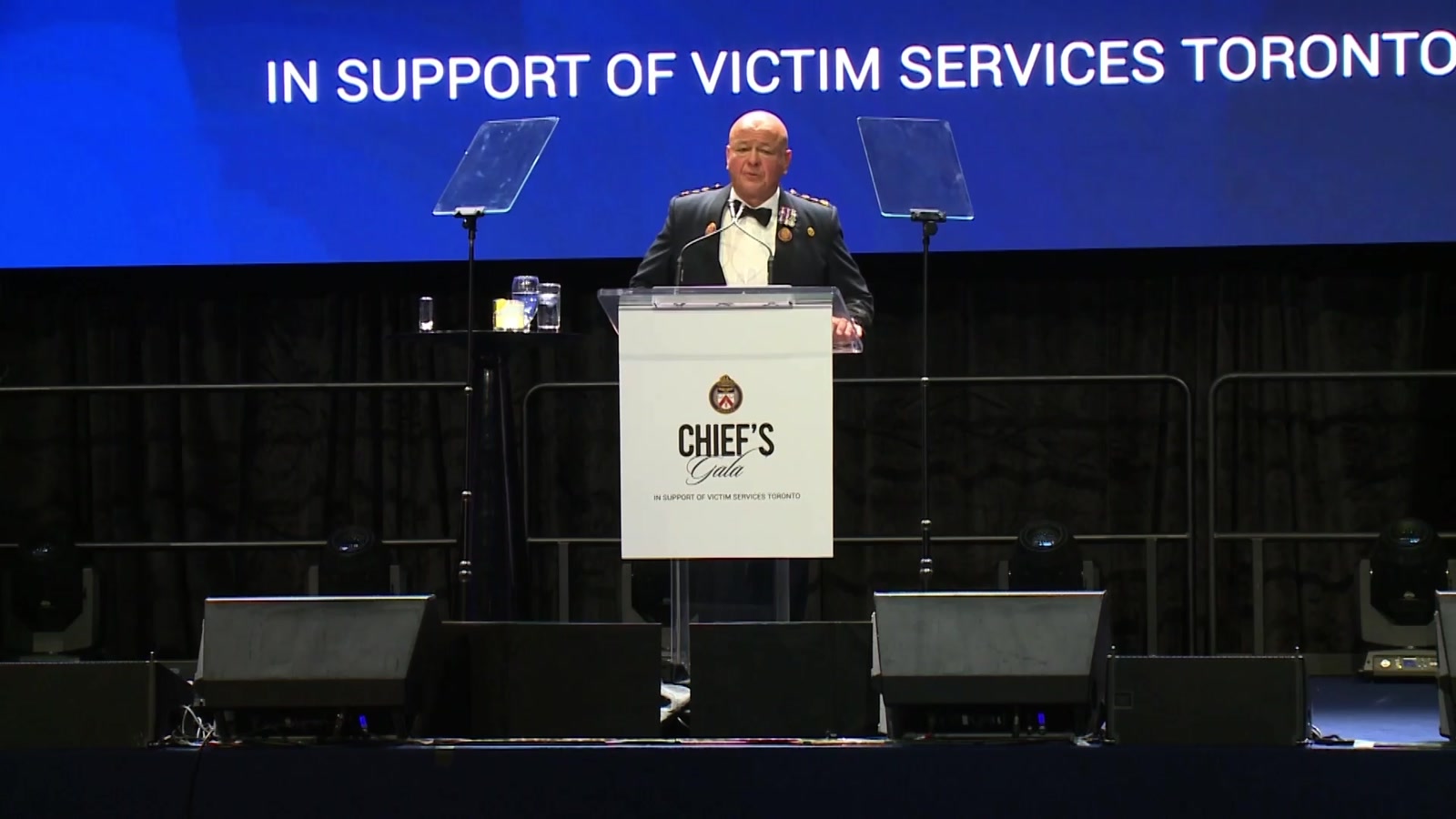
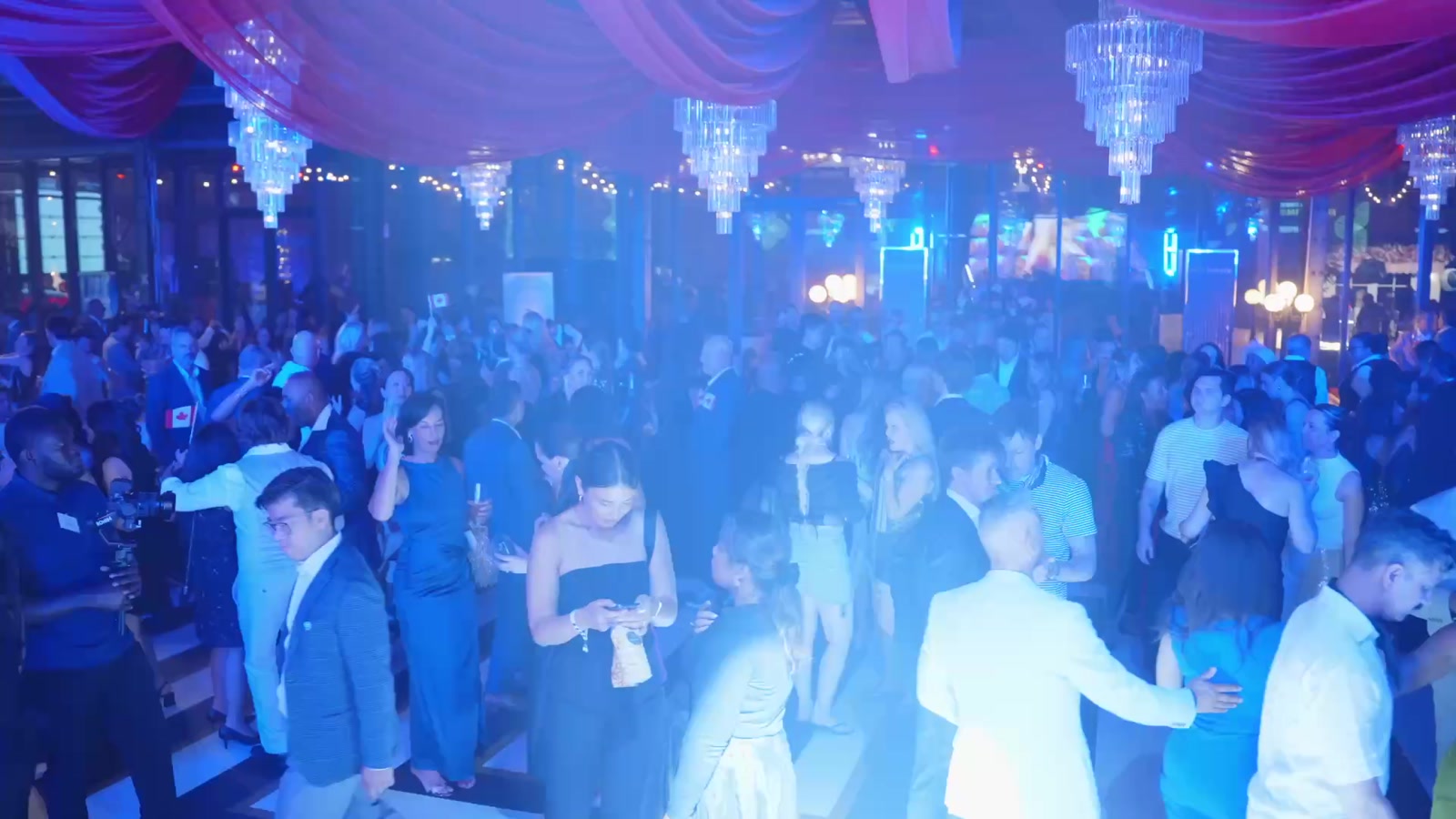
The stage gives you the speech, presentation or award. The room gives you the people receiving it. Together they make an event film feel connected. Without the audience, an emotional moment can look strangely flat; without the stage, a reaction can lose its meaning.
Plan a stable programme angle and a separate opportunity to follow reactions, movement and detail. These jobs may change during a break or reception. What matters is that someone owns the essential coverage at each cue, rather than both operators assuming the other has it.
Make the run of show a camera document
The schedule should include more than start times. Mark stage entrances, award presentations, screen playback, changes of speaker, performances and lighting cues. For each important moment, note what the film needs to see and where that action will happen.
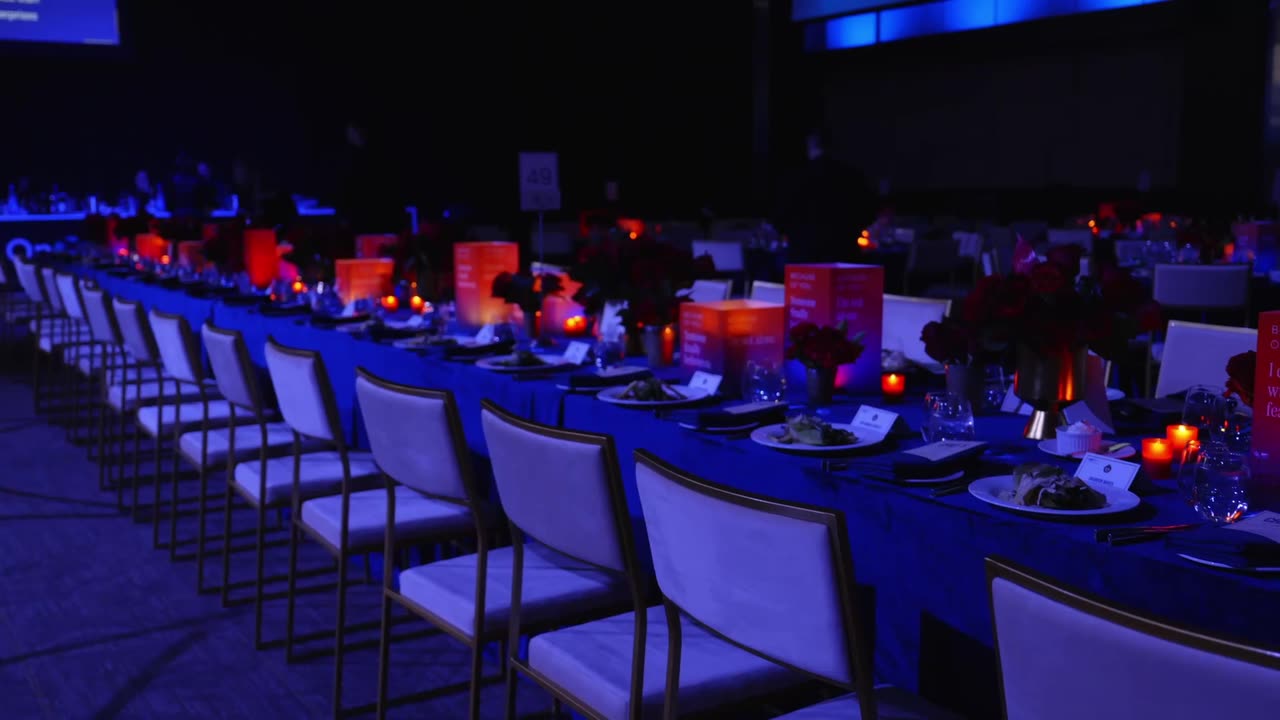
A seating plan helps a roaming operator find the right table before a name is announced. Accurate speaker and award information also helps the edit. Changes during the event should go through a named organiser contact so the production team works from the current programme.
Coordinate audio with the AV team
Arrange and test a usable speech feed, then plan an independent backup where possible. Confirm which microphones and playback sources will reach the recorder. Listen during the event: having a cable connected does not establish that every important source is being captured.
The recording approach should also match the deliverable. A highlight film needs useful clean excerpts; a complete speech recording needs continuous coverage and sound through the entire talk. If both are requested, the scope should say so. Our event hiring guide explains that distinction before quoting.
Protect the audience experience
Camera positions and cable routes should be agreed with the venue and AV team. Keep access routes and guests’ view in mind, and learn which areas the crew may use. A dramatic shot has little value if getting it disrupts the moment the organiser worked to create.
Ask about lighting changes before they happen. An award recipient walking from a dim table to a bright stage is a different exposure problem from a seated speech. Knowing the cue allows the operator to anticipate rather than react after the moment has passed.
Prioritise when the programme is dense
- Must hold: any speech, presentation or performance promised as a complete recording.
- Must capture: the key award handover, recognisable response and essential sponsor moment.
- Can collect around the programme: details, room atmosphere, arrivals and supporting images.
- Needs its own time: organised interviews and any shot requiring a person to stop and participate.
This is a planning tool, not a claim that one camera can cover every item. Concurrent activity, large rooms or additional deliverables may change the arrangement. Decide that before the event rather than discovering the gap in post-production.
Know which film you are building
A recap needs a story and rhythm, not every item in chronological order. Establish why people gathered, show what mattered and give the ending somewhere to go. A sponsor or internal stakeholder may need a different version from the public audience; agree those uses in advance.
If the recap must play before guests leave, the coverage plan also needs to support an editor throughout the day. The same-day workflow includes a capture cutoff, approval window and playback test. It should never be an unplanned task added when the last speech ends.
Quick answers
Why use separate stage and audience coverage at a gala?
The stage records the speech or presentation; the audience shows its effect on the room. Complementary coverage lets an edit connect those moments while protecting the essential programme recording.
Are two cameras enough for a gala?
They can be a useful approach for stage and audience coverage in one room. Simultaneous activity, organised interviews, room size and complete session recordings can change the crew and camera requirements. Decide from the running order and promised deliverables.
What should a gala camera plan include?
Include the current running order, stage and seating layout, key people, lighting cues, AV and organiser contacts, camera responsibilities and the shots needed for each deliverable. Make clear who communicates changes during the event.
 Google Meet