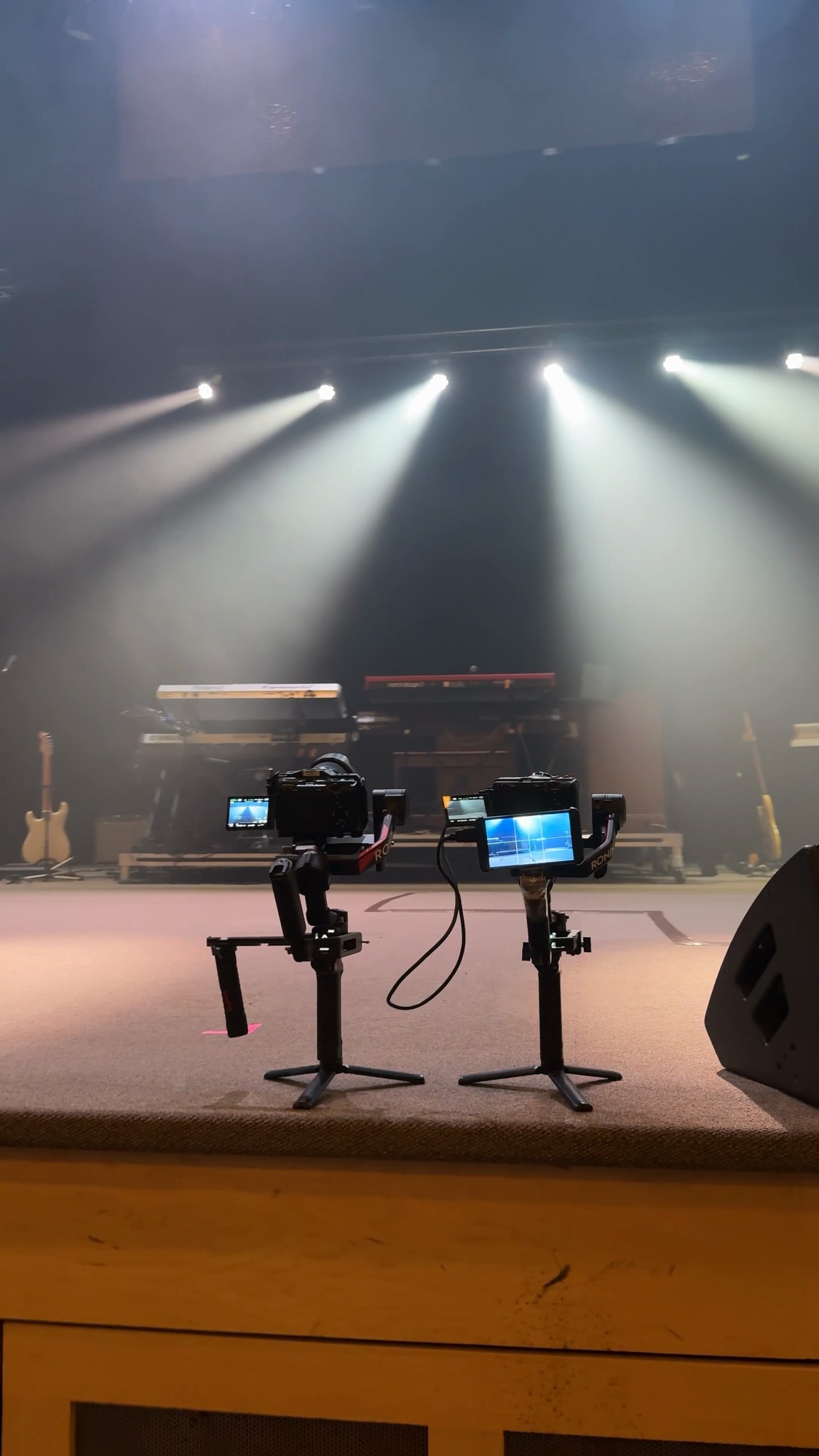
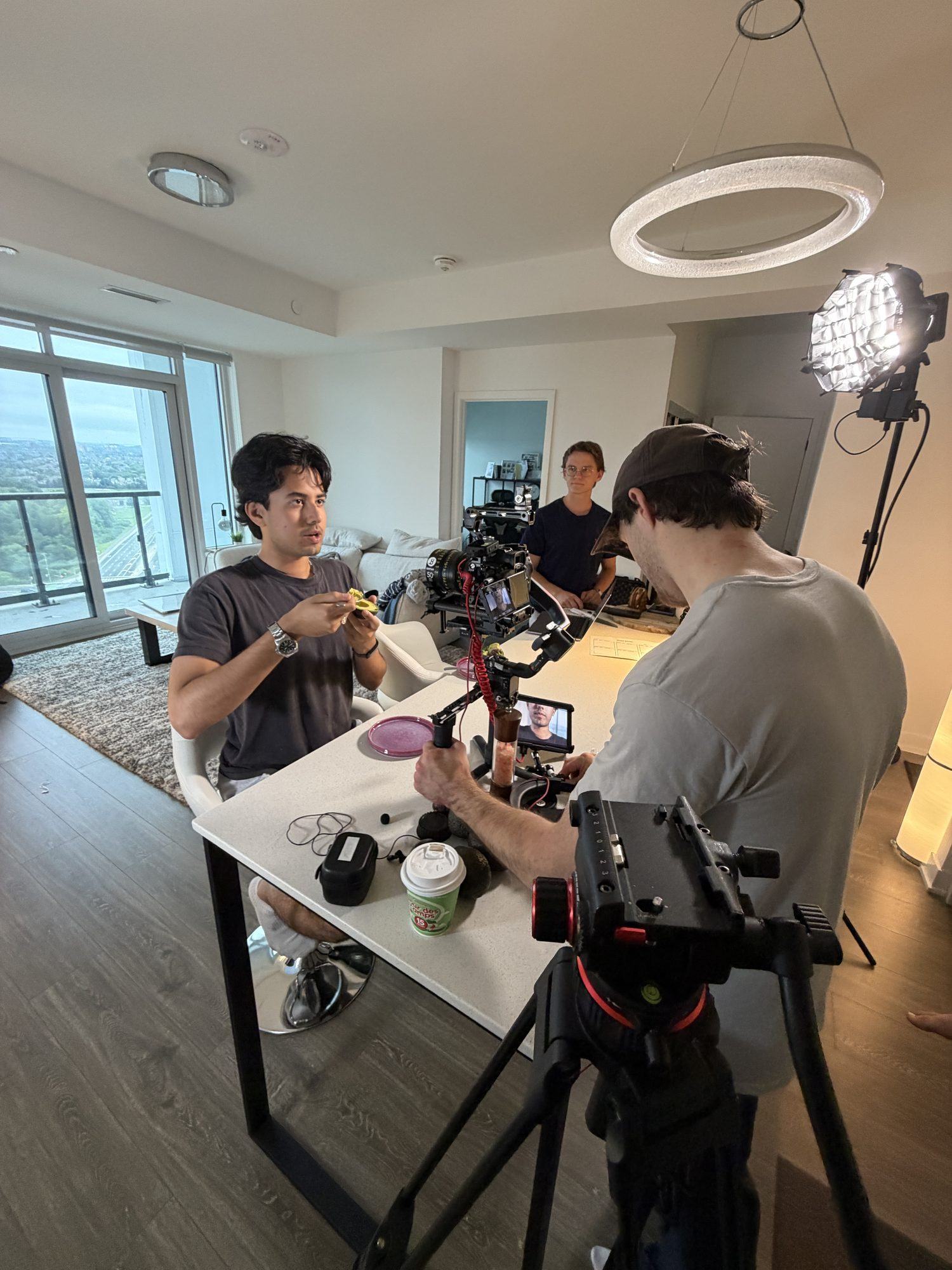
A video production equipment package should match the story, location, sound and delivery needs of the shoot. Cameras and lenses create the image; lighting shapes it; sound equipment captures the information the viewer needs to hear. Movement tools, additional cameras and specialist equipment should have a clear purpose in the approved plan, with people assigned to operate them.
Start with the shot, then the tool
A long equipment list can look reassuring without telling you whether the film will work. Ask what the important scenes need to show. A controlled product detail, an interview and a moving event have different demands, even if each ends up in a short edit.
The production team should be able to connect the proposed kit to those demands in ordinary language. A camera choice may support the desired image, the filming conditions or the edit workflow. The brand name alone is not the creative explanation.
Lenses decide what the scene lets you see
Our simple way to discuss lenses is by job: wide for space, a natural perspective for people and a longer view for details or a reaction at a distance. Those are categories of use rather than a fixed lens list for every production.
The room and camera position affect the choice. If the crew cannot move closer to a stage, reach matters. If a product needs to be seen in its environment, the relationship between subject and background matters. The useful client question is what the frame communicates, not how many lenses travel in the case.
Lighting includes what you take away
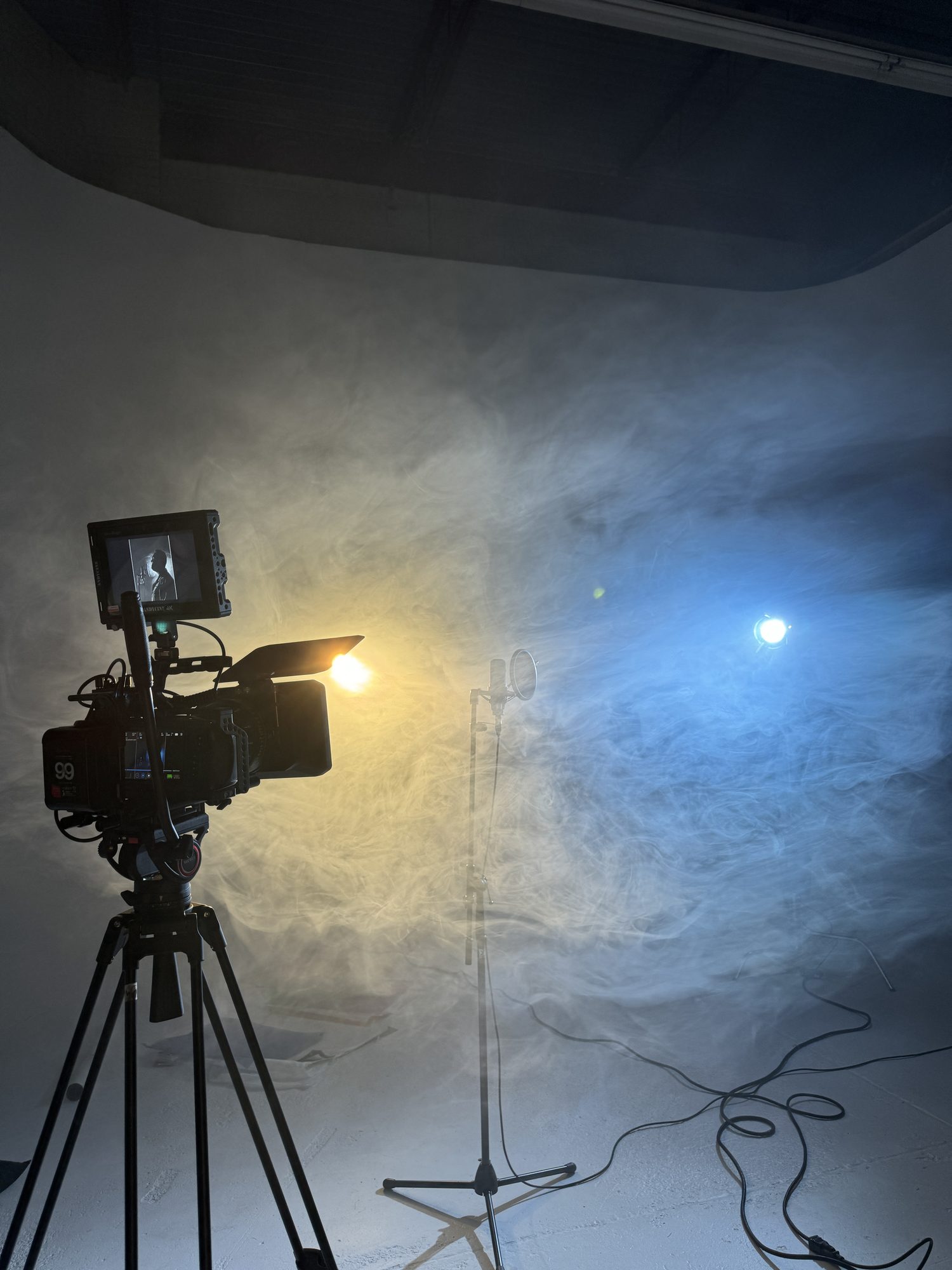
A soft source can shape an interview face; a more directed source can bring out a surface or create a deliberate edge. Flags and other control tools reduce unwanted light. Stands and safe placement make those choices practical in the room.
A more involved lighting setup can be worth it when the look is central to the idea. It can also take more time and space. Our location lighting guide explains why a room check can be more useful than adding equipment to an unknown space.
Sound needs a plan and someone listening
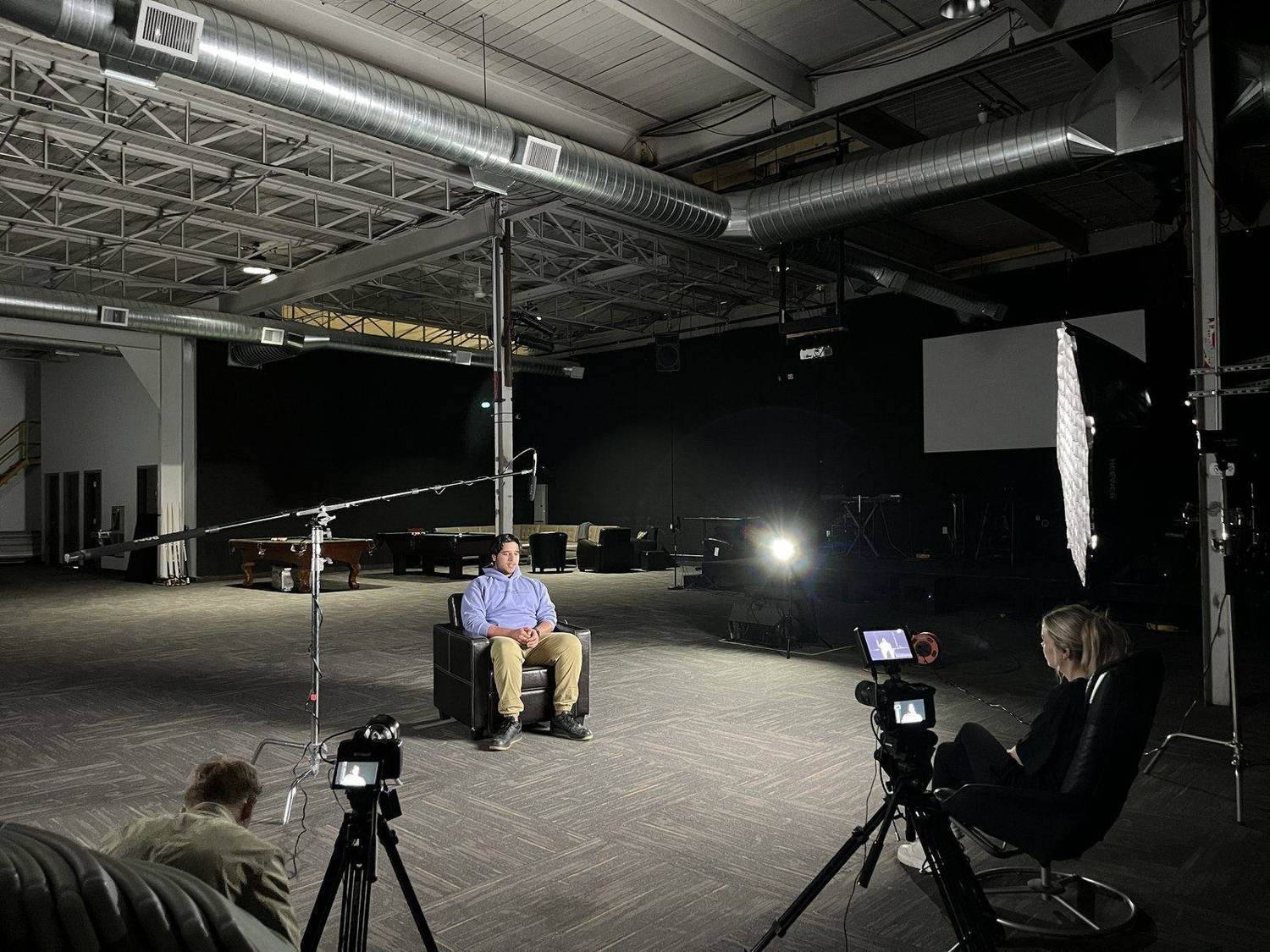
An interview may use a microphone on the speaker, a boom positioned out of frame or another approach suited to the scene. An event may involve a tested feed from the AV desk. Monitoring and backup arrangements matter alongside the microphone itself.
Do not assume that a camera operator standing far from the speaker can solve every sound problem at the same time as framing. Ask who is responsible for the recording and what happens if the intended source fails. Clear speech is part of a finished brand film, not a technical extra to consider after shooting.
Add tools for a specific reason
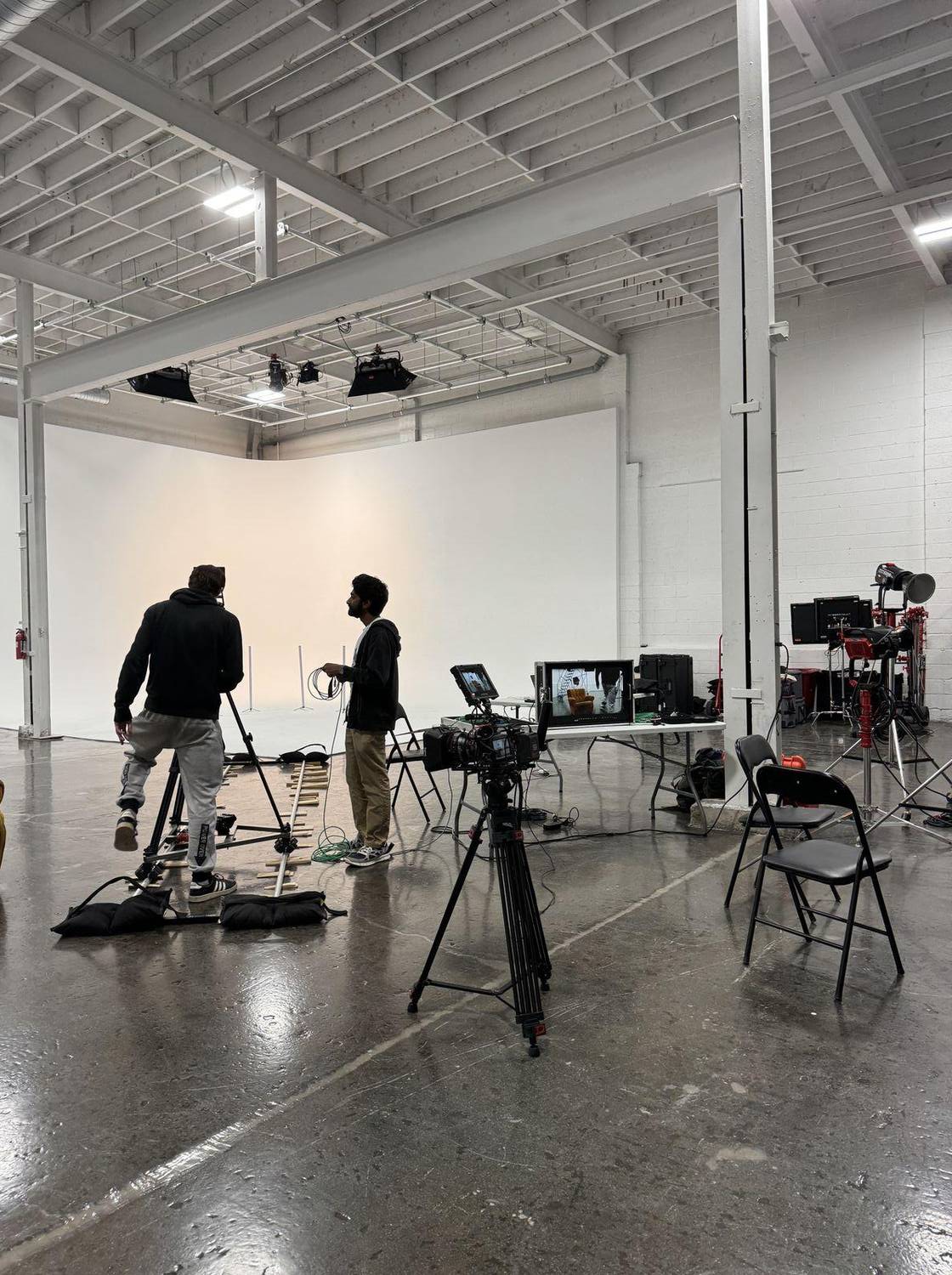
A second camera may protect continuous coverage or offer another interview angle. A gimbal or slider can support a particular movement. A client monitor can help with precise product, styling or brand decisions on set. Each solves a different problem and may introduce operating, setup or coordination time.
Ask which tools are included in the proposed package and which depend on a final creative or location decision. Avoid a universal “base kit” assumption: what is sufficient for one shoot may be incomplete or unnecessarily elaborate for another.
Include the unglamorous parts
Media, power, storage and the handoff to post-production need planning too. A same-day edit requires footage that can move through the workflow quickly; an extended event needs a sensible recording and backup approach. Those choices should follow the real schedule.
The crew should know how files will be identified, checked and handed over. If the client needs immediate selects or an early edit, mention it before the equipment and workflow are settled. Our same-day recap guide shows how much the delivery plan can change the day.
Read the equipment line alongside the crew line
- What does the approved creative require the camera and lighting to do?
- Which roles operate the equipment and monitor sound?
- Does the location allow the planned positions, access and setup time?
- What continuity or backup is needed for moments that cannot be repeated?
- Which changes would add equipment, people or time to the scope?
A well-matched package supports an attentive crew and a strong idea. The goal is not the fewest items or the longest list. It is a production where the tools have a job and the people have time to use them properly.
Quick answers
What equipment does a professional video shoot need?
The package depends on the creative and location. It typically needs an image capture plan, appropriate lenses and support, lighting, sound recording and monitoring, power and media handling. Additional cameras or movement tools should serve a defined purpose in the production.
Does a more expensive camera guarantee a better brand film?
No. The idea, direction, composition, lighting, sound and editing all affect the result. Ask how the proposed equipment supports the specific film and whether the crew and schedule allow it to be used well.
What should I ask about equipment in a video quote?
Ask what is included, why it is needed, who operates it, what the location requires and which changes would affect cost or timing. Read equipment and crew responsibilities together rather than treating the kit list as a measure of quality.
 Google Meet